







Search Results for: Astringent Taste

Luckin's "Good Things Come in Pairs Fruit Tea" collaborative line with Line Friends puppy launched, consumers' feedback about astringent taste sparks heated discussion.
Luckin Coffee has recently teamed up again with the popular IP Line Dog to launch a limited-edition drink, "Good Persimmon Comes in Pairs Fruit Tea," featuring seasonal fire gourd persimmons paired with jasmine tea as its selling point. As soon as the new product launched, it attracted a large number of fans to snap it up. However, feedback from the first wave of consumers has been mixed, with many complaining that it tastes astringent and hard to swallow, and some even discouraging their friends from buying it. Why exactly has this co-branded fruit tea triggered such polarized reviews? Is it because the persimmon skin was not removed cleanly, or because of batch differences? This article compiles views from all sides to help you understand the real performance of this much-discussed new product. [more…]

Why Does Pour-Over Coffee Taste Astringent? From the Principles of Touch to Brewing Details, a Complete Explanation of the Sources of Astringency and How to Avoid It
When many people drink a cup of coffee, they can sense an unpleasant astringency from the very first sip—that rough, gritty tactile sensation that grips the tongue and throat often leaves a stronger impression than sweetness, acidity, or bitterness. Where exactly does astringency come from? Is it a problem with the beans, or has something gone wrong in the brewing process? From the perspective of Front Street, this article first clarifies the essence of astringency as a tactile sensation, then breaks down common causes one by one—such as overly long brewing time, excessively forceful water flow, and the high extraction efficiency of certain drippers—and offers corresponding adjustment ideas to help you fundamentally reduce the unpleasant astringent taste in coffee. [more…]
Why Is Pour-Over Coffee Sour, Astringent, or Bitter? A Complete Guide to Analyzing the Causes and Adjusting Your Technique
Many people think that pour-over coffee has a low barrier to entry, but once they take a sip and find it tastes sour, bitter, or astringent, they realize that brewing a good cup of coffee is actually not easy. Whether you are a beginner just getting into pour-over or an experienced coffee enthusiast, it is inevitable to run into a cup that does not suit your taste. Starting from the principles of extraction, this article analyzes one by one the common reasons why coffee turns out too sour or too bitter, and offers specific adjustment suggestions on grind size, water temperature, coffee-to-water ratio, pouring technique, and dripper selection. It also combines the brewing parameters of two beans—Front Street Coffee Colombia Sidra and Front Street Coffee Golden Mandheling—to help you consistently brew a cup of good coffee at home with balanced acidity and sweetness and a clean mouthfeel. [more…]

Analysis of the Causes of Astringency and Bitterness in Pour-Over Coffee, Improvement Methods, and Recommended Coffee Beans That Aren't Astringent
A good cup of coffee should be smooth and mellow, but sometimes we taste a rough, astringent sensation akin to chewing on grape skins. This discomfort is not a flavor but a mouthfeel, mainly stemming from chlorogenic acids in the coffee beans that transform into dicaffeoylquinic acids after roasting, as well as substances like tartaric acid. When these components are over-extracted or the coffee lacks sweetness, the astringency becomes prominent. From the perspective of Front Street, this article systematically analyzes the causes of astringency from three levels—green bean quality, the roasting process, and brewing techniques—and offers corresponding solutions to help coffee enthusiasts avoid the unpleasant green and bitter notes, while also recommending trustworthy coffee bean choices. [more…]
Why Does Pour-Over Coffee Taste Astringent? An Analysis of Causes and Improvement Directions from Green Beans to Extraction
When drinking coffee, you may occasionally encounter an unpleasant experience that isn't smooth enough and has a slightly sandy mouthfeel—this is what we commonly call astringency. Where exactly does astringency come from? It may originate from the cultivation and processing of green beans, and may also be closely related to roasting, the mixing in of defective beans, and brewing parameters and techniques. This article will start from the material basis of astringency, sort out the difference between positive and negative astringency, analyze the two major brewing causes of over-extraction and uneven extraction, and also clarify the differences between astringency, tea-like character, and a dry sensation, finally offering practical adjustment ideas. The article also retains relevant product and recommendation information from Front Street Coffee, making it convenient for coffee lovers to refer to in daily brewing. [more…]
Not Bitter, Not Astringent, Not Sour: A Guide to Five Well-Balanced Specialty Pour-Over Coffee Beans by Category
The flavors of coffee are endlessly varied. Some people prefer bright acidity, while others are fond of deep, profound bitterness. But many enthusiasts lean toward a cup that is mellow in mouthfeel, neither sour nor astringent, with a lasting sweet aftertaste. To meet this demand, Front Street Coffee has selected five coffee beans with distinct styles, covering producing regions such as Papua New Guinea, Brazil, Panama, and Yunnan. From the balanced mellowness of Bird of Paradise, to the caramel sweetness of Queen's Manor, to the floral and fruity sweetness of Strawberry Candy, the interwoven sweetness and acidity of Butterfly, and the slightly acidic yet non-astringent character of Yunnan Typica, each one has been carefully roasted and processed, suitable for pour-over and other extraction methods. There is always one to match your taste preferences. [more…]

Why does pour-over coffee become sour and astringent after cooling? Analyzing three reasons for flavor changes and the ideal drinking temperature
A freshly brewed pour-over coffee is full of aroma and smooth on the palate, but after sitting for half an hour it turns sour, astringent, and muddled—what's going on? In fact, coffee naturally presents different flavors at different temperatures, and during tasting it is often divided into three stages: hot, medium, and cool. A good cup of coffee can usually withstand all three temperature stages, but once it has fully cooled, the flavor goes beyond the normal tasting range. From Front Street's perspective, this article breaks down the root causes of coffee turning sour and developing astringent, muddled notes after cooling—including differences in how human senses perceive sourness, sweetness, and bitterness, the impact of aroma volatilization, and the three key mechanisms of oil oxidation, pigment oxidative polymerization, and condensation—and tells you the most suitable temperature for drinking coffee, helping you better capture the best flavor of every cup. [more…]
What are the negative flavors in coffee?
For the appreciation of coffee, it is also a very important thing to recognize its negative tastes. Although people's perception of positive flavors has come easily, when drinking a cup of uncomfortable coffee, they can only use the general terms suc [more…]

What exactly does "tea-like" mean in coffee tasting? From sweet aftertaste and salivation to astringency analysis, interpreting the difference between tea-like and astringent sensations
In coffee flavor descriptions, "tea-like" is a concept widely used in China yet constantly debated. Some people understand it as the aroma of a certain kind of tea, some think it is simply the astringency that returns in the mouth, and still others categorize it as a lingering finish reminiscent of tea broth. This article begins with the bitterness and astringency of tea, then sorts through the causes of sweetness returning and saliva being produced, and next draws on the principle of retronasal olfaction to explain why coffee can bring out a tea-like quality, while also clarifying that tea-like and astringent are not equivalent. The article also combines tasting examples from several Front Street Coffee beans to show that the very same "tea-like" quality may be defined very differently in each person's mind. [more…]
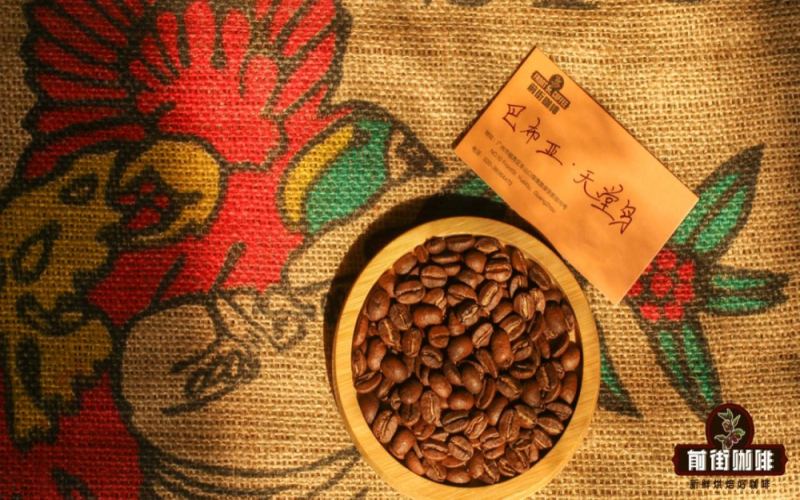
Pour-Over Black Coffee Flavor | Which Specialty Pour-Over Coffee Beans Are Recommended for a Sweet, Non-Astringent Taste? Flavor Descriptions and Characteristics of Papua Bird of Paradise, Brazil Queen's Estate, and Panama Washed Butterfly
Many people know that coffee generally falls into two taste categories: sour and bitter. However, some coffee enthusiasts seek a balanced flavor—neither sour nor astringent, sweet but not bitter. With this in mind, today Front Street Coffee brings a few selected coffee beans for everyone to choose from based on their preferences~ 1. Balanced flavor: Front Street Coffee Bird of Paradise [more…]
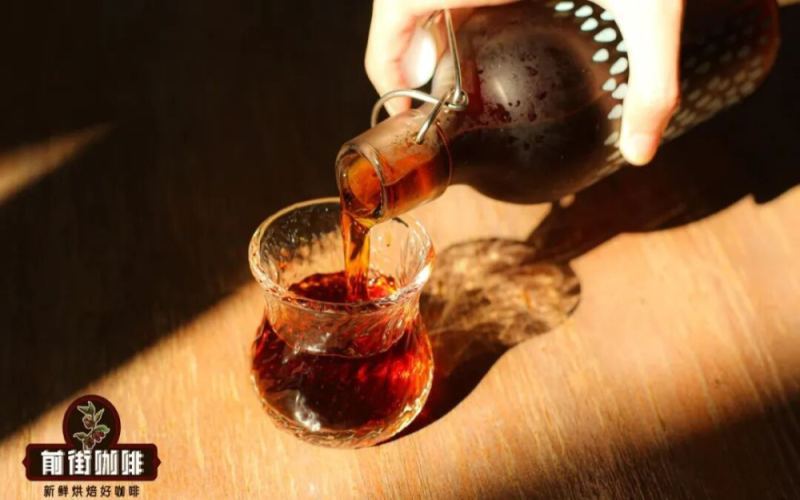
Why Does Cold Brew Coffee Have a Wine-Like Aroma? Why Is It Astringent Right After Brewing? An Analysis of the Optimal Drinking Window
The unique wine-like aroma and bouquet of cold drip coffee often lead people to mistakenly think that alcohol has been added, but in fact this comes entirely from its production method and low-temperature aging process. However, freshly dripped cold drip coffee often tastes thin or even astringent, and needs to be aged in the refrigerator to reveal a smooth, rich flavor. So how long exactly should cold drip coffee be left before drinking? Why does it develop a wine-like flavor after being stored for a long time? And why can it not be stored indefinitely? Starting from Front Street's production experience, this article explains in detail the principles behind the changes in cold drip coffee from production to aging, and from astringency to vinous aroma, and gives recommended drinking periods to help you better enjoy this cup of slow-brewed coffee. [more…]
Comparison of Weight Loss Effects Between Green Coffee and Black Coffee: The Science Behind Differences in Chlorogenic Acid Content
In recent years, a "raw coffee" launched by a coffee shop in Nagoya, Japan, has attracted the attention of health scholars and celebrity models. This drink, made by brewing raw coffee beans together with roasted coffee beans, is said to far outperform black coffee in terms of weight loss. A four-week experiment showed that participants who drank raw coffee lost significantly more weight than those who drank black coffee, and the key behind this lies in the abundant chlorogenic acid in raw coffee beans. Chlorogenic acid can improve insulin sensitivity and regulate glucose and lipid metabolism, and has preventive and therapeutic effects on obesity and metabolic syndrome. However, chlorogenic acid is sour and astringent and unpleasant to the taste, and is degraded after roasting. Raw coffee tastes light, with nutty and roasted barley tea flavors, but it still contains caffeine and should not be drunk in excess. This article will provide an in-depth analysis of the weight-loss principles of raw coffee, the mechanism of action of chlorogenic acid, and its essential differences from black coffee. [more…]
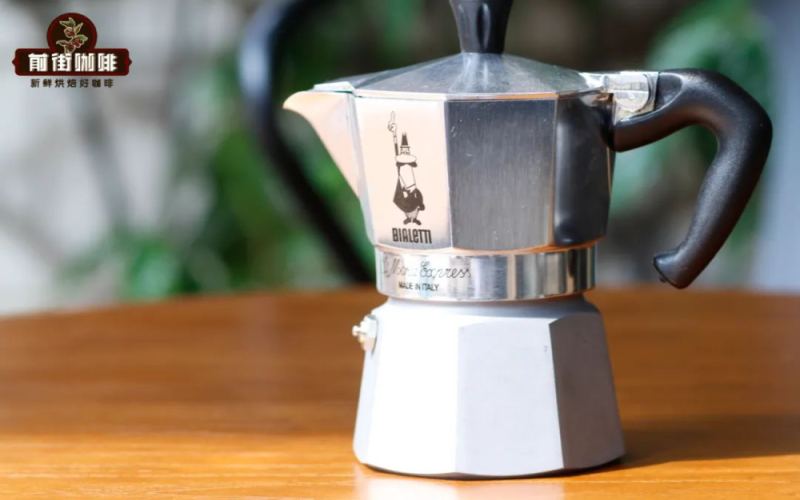
How to Fix Bitter and Astringent Coffee from a Moka Pot? A Complete Guide from Bean Selection to Operation
Since its invention by Italian Alfonso Bialetti in 1933, the moka pot has remained a classic device for brewing rich coffee in European households. However, many people encounter the problem of bitter and astringent coffee when using it, which is often closely related to the operating method, coffee bean selection, and grind size. This article will systematically explain the moka pot's structural principles, bean selection recommendations, detailed operating steps, and solutions to common problems, helping you easily extract moka pot coffee with abundant oils and a mellow taste. Whether you are a beginner just starting out or an enthusiast looking to improve extraction quality, you will find practical guidance here. [more…]
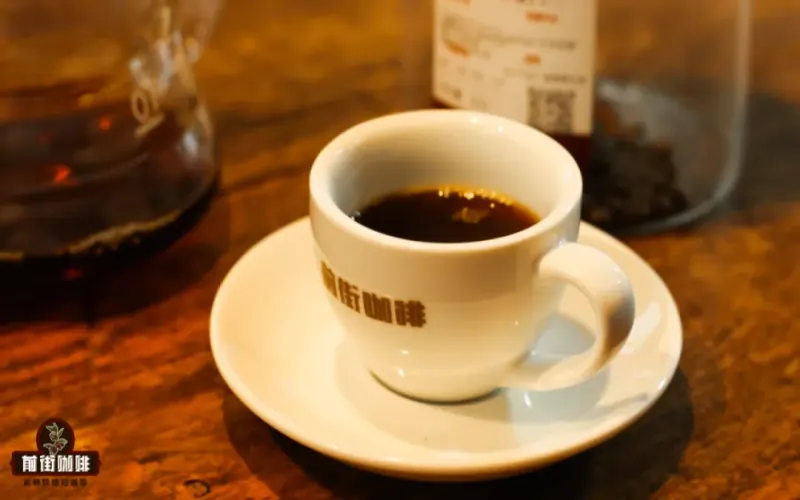
Why Is Light-Roast Coffee Prone to Astringency? A Comprehensive Analysis from Causes to Brewing Parameters for Astringency Control
Have you ever experienced a gripping, astringent sensation in your mouth when tasting a light roast coffee? This tactile experience, known as astringency, is in fact closely related to the polyphenolic compounds in coffee. Starting from the essence of astringency, this article will analyze in detail its sources—how components such as tannic acid, tartaric acid, and quinic acid accumulate in the cup—explore the effects of roast level, variety, and processing method on the content of astringent substances, and take a deep dive into the two major brewing pitfalls: under-extraction and over-extraction. Finally, using a washed Yirgacheffe Gedingding as an example, Front Street Coffee will share a brewing recipe that avoids astringency and fully brings out the floral and fruity notes of light-roasted beans. [more…]
Recommendations for specialty coffee beans that are neither sour, bitter, nor astringent: flavor balance, taste, and price analysis of five varieties
Coffee flavors are endlessly varied. Some people prefer bright fruity acidity, while others love mellow bitterness. But there is also a group of enthusiasts who seek a subtle balance among acidity, bitterness, and astringency—smooth on the palate, with a long, sweet finish and no sharp stimulation. This article selects five specialty coffee beans with a mild, sweet taste, covering different origins such as Papua New Guinea, Brazil, Panama, and Yunnan, and introduces each one in turn from variety, processing method, roast level, to brewing method. Whether you are used to pour-over, espresso machine, or cold brew, you can find the one that suits you. Each bean is accompanied by Front Street Coffee's price and flavor description, making it easy to choose according to your needs. [more…]
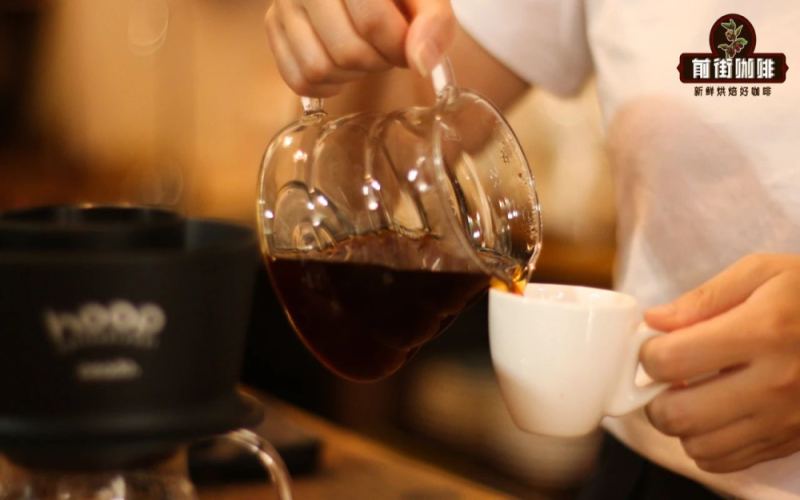
Beginner's Everyday Beans | Which Coffee Beans Are Good for Pour-Over Without Being Sour? Recommended Dark Roast Single-Origin Pour-Over Beans That Are Neither Bitter Nor Astringent, with a Long-Lasting Sweet Finish
"A sweet aftertaste that promotes salivation, with bitterness giving way to sweetness" is the highest praise people give to a good cup of tea, and in coffee tasting, people also often use the term "sweet aftertaste," usually referring to coffee having a pleasing mouthfeel. So what exactly kind of taste experience is it when you perceive a sweet aftertaste in coffee? And how does it differ from the sweetness of coffee? [more…]
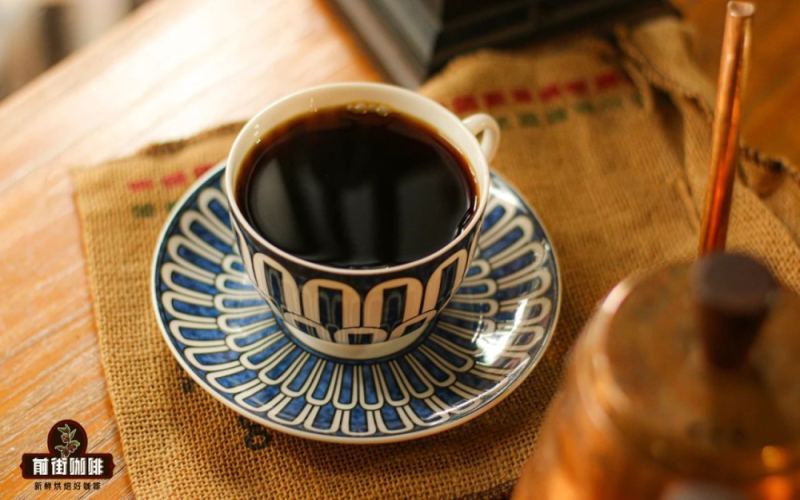
Analysis of the Causes of Burnt, Bitter, and Astringent Flavors in Pour-Over Coffee and Corresponding Adjustment Methods
Many coffee enthusiasts who brew pour-over at home often run into the problem of coffee tasting bitter or even showing burnt, astringent notes. This bitterness may come from the roast profile of the beans themselves, and it can also be closely tied to how long the beans have been stored, the grind size, the proportion of fines, and the brewing water temperature. Drawing on the hands-on experience of Front Street Coffee, this article analyzes four common causes of bitterness one by one and offers concrete, actionable adjustments—including how to choose beans based on flavor descriptions, how to judge the optimal flavor window, how to calibrate grind size, and how to troubleshoot water temperature issues—to help you pinpoint the problem more accurately and brew a smoother pour-over coffee. [more…]
A Complete Guide to Analyzing the Causes of Astringency in Pour-Over Coffee and Adjustment Methods for Brewing
When many people drink a cup of coffee, they often find it hard to describe its specific flavors, but if a distinct astringency appears, almost everyone can notice it immediately. Front Street's back office frequently receives reader questions: even when the brewing parameters are all within plan, why does the coffee make the throat feel tight and the tongue feel rough? This article will start from the essence of astringency, sort out the sources of astringent substances in coffee, analyze the common brewing problems that cause astringency, and provide targeted adjustment solutions to help you fundamentally avoid an uncomfortable cup of coffee. [more…]
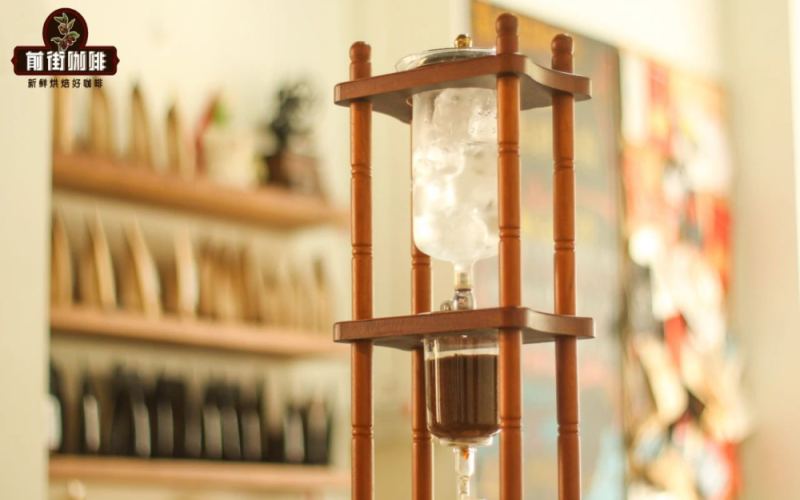
Why Isn't Cold Brew Coffee Sour or Astringent? A Detailed Explanation of Its Taste Characteristics, Brewing Method, and the Principles of Low-Temperature Aging
Ice drip coffee is known for its clean, full-bodied, smooth taste and rich fermented wine aroma, but many people mistakenly think it contains alcohol when they first encounter it. In fact, ice drip is a type of cold brew coffee, made by extracting drop by drop with ice water over a long period. Freshly made ice drip is not at its best for drinking; it needs low-temperature aging in the refrigerator to reveal its full fruity feel and wine aroma. Based on Front Street Coffee's production practice, this article explains in detail the coffee-to-water ratio, drip rate, aging time, and storage recommendations for ice drip, giving you a comprehensive understanding of the flavor sources and key production points of ice drip coffee. [more…]
How to Choose a Specialty Coffee That's Neither Bitter, Sour, nor Astringent? A Full Breakdown of Five Front Street Coffee Bean Varieties, Flavors, and Prices
Many people habitually sort coffee into two simple categories: acidic or bitter. But there's a group of enthusiasts who prefer coffee with a balanced mouthfeel—neither noticeably tart nor bitter. To meet this demand, Front Street Coffee has selected five distinctive beans, spanning origins such as Papua New Guinea, Brazil, Panama, and Yunnan, priced from 68 to 88 yuan per 227 grams. Whether you favor a rich, sweet aroma; fruity, floral sweetness; or a lightly acidic, smooth cup, you'll find a suitable option among them. Below, we introduce each bean one by one—its origin background, processing method, roast level, flavor characteristics, and the brewing devices it suits—to help you pinpoint the cup you'll love within Front Street Coffee's lineup. [more…]